
Elderly caregiver helpers: what Singapore families should look for
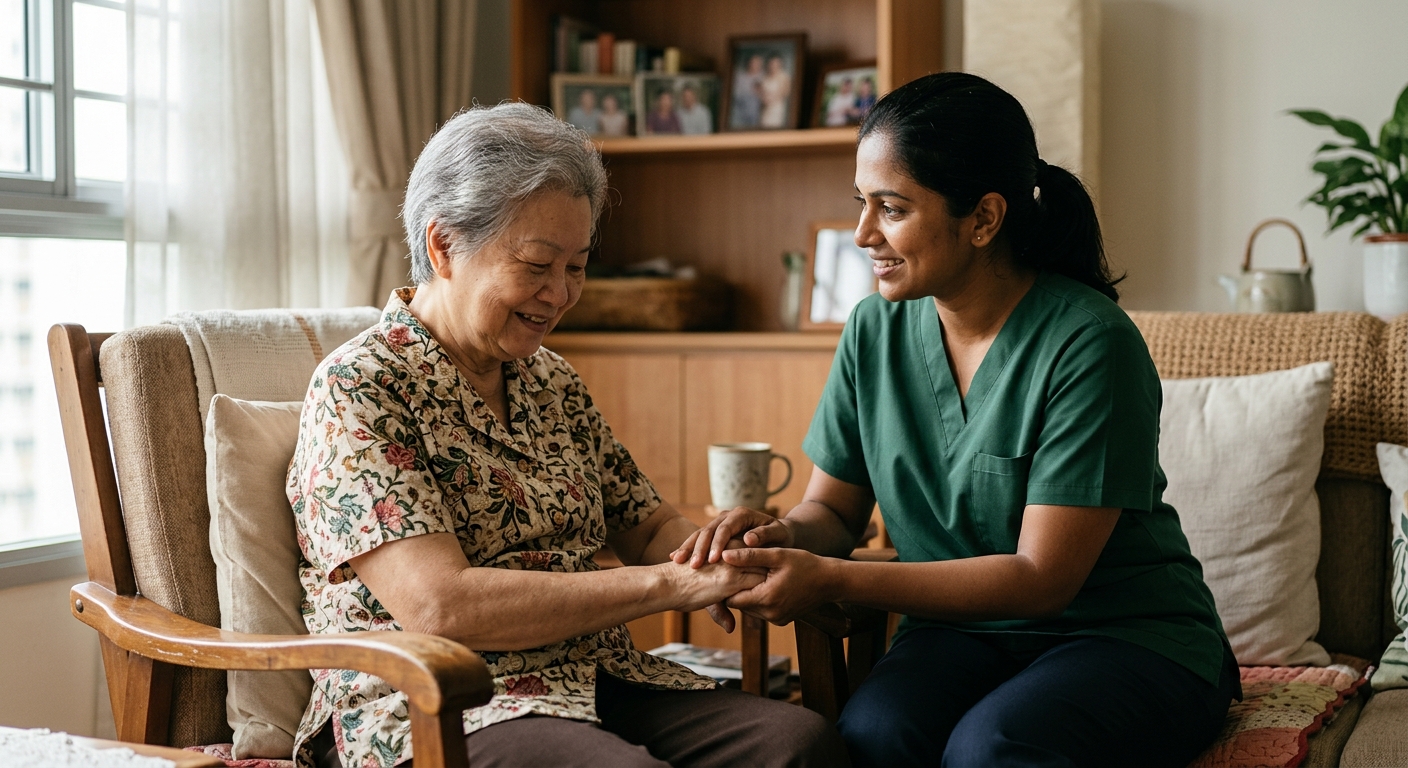
Bringing an elderly loved one home is often the most caring decision a family can make—and also one of the most complex. When you’re considering elderly caregiver helpers: what Singapore families should look for, you’re really weighing day-to-day safety, dignity, medication routines, mobility risks, and whether the caregiver can fit into your household calmly. In Singapore, many families rely on a Filipino domestic helper (FDH) for elderly care support, but the “right” match is rarely about resume keywords alone. It’s about proven habits, clear boundaries, and the ability to handle real-life situations—especially when health can change quickly.
Below is a practical, Singapore-specific guide to help you assess needs, interview properly, and hire within MOM requirements—so your parent (and the whole household) gets consistent, safe care.
Start with the right caregiving profile (not just “elderly experience”)
When families ask for “elderly experience”, they often mean different things. Before you speak to any candidate, clarify what your family actually needs day-to-day.
Common elderly-care scenarios in Singapore homes
Different caregiving profiles require different strengths:
- Mobile but frail senior: supervision, fall prevention, meal prep, reminders, companionship.
- Partially mobile (walker/wheelchair): safe transfers, toilet assistance, bathing, basic physiotherapy exercises (as trained by family/therapist).
- Bedbound care: turning schedule, diapering, skin care, pressure sore prevention, feeding support, strict hygiene.
- Cognitive impairment (dementia): patience, de-escalation, routine building, safe wandering prevention, communication skills.
- Post-hospital recovery: medication schedule discipline, diet restrictions, monitoring red flags and reporting quickly.
A candidate can be excellent with companionship but not ready for heavy transfers. Another may handle physical care well but struggle with dementia behaviours. Being specific prevents mismatches.
Define what the helper will and won’t do
In Singapore, an FDH can support daily living tasks, but families should be careful not to expect medical procedures. Set boundaries early:
- OK: bathing, toileting, feeding assistance, mobility support, cooking, cleaning, reminders, accompanying to appointments.
- Be cautious: wound care, injections, catheter management, NG tube feeding—these require proper training and clear family/medical guidance.
If your parent’s care is medically complex, consider combining FDH support with professional home nursing or day care services, while keeping the helper focused on daily routines and safe assistance.
Elderly caregiver helpers: what Singapore families should look for in skills
Once you know the caregiving profile, you can assess skills more objectively. For elderly caregiver helpers: what Singapore families should look for, think in terms of “observable behaviours” rather than claims.
1) Safe mobility and transfer habits
Transfers are a common injury risk for both seniors and caregivers. Ask about and watch for:
- How she supports sit-to-stand safely
- Whether she checks that the floor is dry and the wheelchair brakes are locked
- Whether she understands “no rushing” and allows time
- Comfort using basic aids (walker, commode chair) appropriately
Interview prompt: “If Ah Ma feels weak when standing up, what do you do step-by-step?”
2) Bathing and hygiene with dignity
Elderly bathing can be physically demanding and emotionally sensitive. Look for:
- Respectful language and modesty awareness
- A methodical approach (prepare towel/clothes first, check water temperature)
- Awareness of skin issues (fragile skin, bruising, rashes)
A good caregiver is gentle and unhurried—especially if the elderly person is fearful or embarrassed.
3) Medication discipline and escalation
FDHs often support with medication reminders and routine tracking. You want someone who:
- Follows a written schedule without improvising
- Records what was given (simple logbook)
- Understands to alert family if there is refusal, vomiting, dizziness, rash, or unusual sleepiness
Tip: Keep medication management simple and controlled by the family. Use a pill organiser prepared by the family and a checklist the helper ticks.
4) Nutrition, texture, and hydration awareness
Many seniors in Singapore have dietary restrictions (diabetes, hypertension) or swallowing considerations. Ask about:
- Soft diet preparation, lower-salt cooking habits
- Encouraging hydration (small frequent drinks)
- Recognising signs of dehydration/constipation
Interview prompt: “What meals do you cook for elderly with high blood pressure?”
5) Dementia-friendly communication (if relevant)
For dementia care, the “skill” is often emotional regulation.
Look for:
- Calm voice and ability to repeat without showing frustration
- Using simple instructions (one step at a time)
- Redirecting rather than arguing
- Awareness of safety risks (stove knobs, doors, wandering)
If your parent has dementia, consider candidates who have lived-in dementia caregiving exposure and can share specific examples—not just “I know dementia”.
Elderly caregiver helpers: what Singapore families should look for in temperament
Caregiving success is heavily temperament-driven. Even a technically capable helper may struggle if she reacts poorly to stress.
Patience is measurable—ask for real examples
Instead of asking “Are you patient?”, ask:
- “Tell me about the most difficult elderly person you cared for. What happened and what did you do?”
- “When the elderly refuses shower/food/medicine, how do you respond?”
A reliable caregiver will describe a calm routine, involve family appropriately, and avoid punitive language.
Emotional steadiness and trustworthiness
Singapore households often include children, working adults, and an elderly person with different needs. You want someone who:
- Doesn’t panic easily
- Accepts feedback without becoming defensive
- Handles repetitive routines consistently
- Is honest about what she cannot do
Pay attention to how she talks about previous employers. Excessive blame may indicate difficulty adapting.
Respect for boundaries in a multi-generational home
Caregiving involves intimacy (bathing/toileting), so boundaries matter:
- Comfort with privacy rules
- No sharing of household information outside
- Understanding that elderly may have habits/preferences that must be respected
A helper who values discretion is especially important if your family receives visitors, nurses, or therapists at home.
Practical interview and trial questions that reveal real caregiving ability
Most families only have one interview and feel pressured to decide quickly. A structured interview helps you compare candidates fairly.
A simple scoring approach (so you don’t rely on “gut feel” only)
Create 4 categories and rate each candidate 1–5:
- Care skills (mobility, hygiene, routines)
- Communication (English comprehension, clarity, willingness to ask)
- Temperament (patience, calmness, initiative)
- Household fit (food preferences, rest day expectations, family schedule)
This prevents a “nice personality” from overshadowing missing core skills.
High-signal questions (with what to listen for)
Use these prompts during interviews:
- “Walk me through your morning routine for a bedbound elderly.” (Listen for turning, diaper change hygiene, skin checks, meal timing.)
- “If the elderly falls, what will you do first?” (Listen for safety, don’t move immediately if serious, call family/ambulance, observe injuries.)
- “How do you prevent pressure sores?” (Listen for turning schedule, skin dryness, keeping bed dry, reporting redness early.)
- “How do you keep track of medication and appointments?” (Listen for logs, reminders, confirmation with family.)
- “What do you do when you feel overwhelmed?” (Listen for asking for guidance rather than hiding mistakes.)
Consider a structured handover plan if you’re replacing a caregiver
If you’re changing helpers, plan a 1–2 week overlap if possible (within household feasibility). Many caregiving errors happen during transitions—different lifting techniques, different meal routines, or missing “small” habits that keep the elderly calm.
MOM rules and Singapore realities families must plan for
Beyond caregiving ability, hiring must be compliant and sustainable. This is where many elderly-care arrangements become stressful if not planned upfront.
Work Permit and employer responsibilities
All FDHs in Singapore are regulated under MOM requirements. As an employer, you are responsible for:
- Ensuring a valid Work Permit
- Providing acceptable accommodation, rest, and timely salary payment
- Providing medical insurance and bearing healthcare responsibilities as required
For elderly care, also plan for practical safety—grab bars, non-slip mats, a clear pathway in the home. A good helper helps, but the home environment matters just as much.
Rest days and preventing caregiver burnout
Elderly caregiving can be 24/7 mentally, especially for dementia. Even if your parent sleeps at night, helpers can become exhausted without predictable rest.
Discuss and document:
- Weekly rest day arrangement (or compensation-in-lieu where mutually agreed)
- Night-time expectations (who handles night awakenings, how often)
- How the family will support when the helper is sick or needs time off
A sustainable schedule is a safety issue—fatigue leads to falls, missed medication, and short tempers.
Training and upskilling: be realistic but proactive
Some candidates may not have formal caregiver certificates but can learn quickly with structure. You can:
- Ask for willingness to learn safe transfer techniques
- Provide a written caregiving checklist
- Arrange caregiver training where suitable
The key is attitude + structure. Families who “assume she will know” often face misunderstandings later.
Philippines-side requirements: OEC, documentation, and why timelines matter
When hiring Filipino domestic helpers, families should understand there are Philippines-side processes that can affect start dates.
Why the OEC matters
For Filipino workers, the Overseas Employment Certificate (OEC) is an exit clearance required by the Philippine government for overseas employment. Proper documentation protects the worker and reduces travel issues.
A reliable agency will guide both employer and helper through the correct steps and set realistic arrival timelines.
Embassy touchpoints you may hear about
Some families end up hearing terms like verification, POLO/OWWA processes, or the Philippine Embassy in Singapore. While employers don’t manage every detail personally, understanding that there are regulated steps helps you plan:
- Don’t promise an elderly parent a caregiver “next week” until timelines are confirmed
- Avoid shortcuts—documentation issues can cause delays or complications later
If you’re in a hurry due to discharge from hospital, it may be better to plan interim care support while the helper’s paperwork is properly completed.
Settling in well: your first 30 days make or break elderly care
Even excellent elderly caregiver helpers can struggle if the onboarding is messy. A calm, structured start is the fastest way to get stable care.
Week 1: clarity, safety, and trust
Focus on:
- Clear house rules and privacy boundaries
- Demonstrating transfer/bathing preferences (family shows, helper repeats)
- Medication schedule and where items are kept
- Emergency contacts (family, neighbours, clinic)
Write these down. A printed sheet on the fridge (or inside a folder) helps when everyone is tired.
Week 2–4: consistency and small improvements
Once routines settle, refine:
- Meal preferences and texture needs
- Exercise/physio reminders (as advised by professionals)
- Sleep routine and reducing night-time disruptions
Encourage the helper to report issues early. Many helpers stay silent to “avoid trouble” until a small issue becomes a big one.
Practical Singapore tip: plan errands around elderly care
If your helper needs to do remittance or buy Filipino groceries, many go to Lucky Plaza (Orchard) on rest days. For elderly care households, make sure these errands don’t compromise care coverage. If the elderly cannot be left alone, plan who stays home during those hours.
Choosing the right pathway: transfer vs. direct hire vs. experienced caregiver match
Families often ask which route is best for elderly care. The right answer depends on urgency, risk tolerance, and how specialised the care needs are.
Transfer helpers in Singapore
Pros:
- Can start sooner
- You may interview in person
- Some already understand Singapore household norms
Considerations:
- Clarify why they are transferring
- Confirm true caregiving exposure (not just general housework)
Overseas candidates
Pros:
- Wider pool, including those with longer-term elderly care experience
Considerations:
- Longer timeline due to processing and documentation (including OEC)
- You need a stronger interview and reference-check approach
Matching matters more than “most experienced”
For elderly caregiver helpers: what Singapore families should look for, it’s often better to hire:
- A caregiver with the right temperament + basic skills + willingness to follow structured routines
…than someone with “many years experience” but poor communication or resistance to family instructions.
If you want to browse profiles and filter by caregiving exposure, you can start with our helper directory. If you’re already clear on your caregiving needs and want us to recommend suitable matches, you can start a hiring application.
Where Happy Home Agency Fits In
Elderly care at home is deeply personal, and it works best when the helper is matched not only to tasks, but to the senior’s temperament, mobility level, and the family’s day-to-day rhythm. At Happy Home Agency (EA Licence 06C4290, est. 2006), we use our Precision Match™ approach to shortlist candidates based on your caregiving profile—whether you need gentle dementia support, confident transfer assistance, or stable routines for a frail but mobile parent. After placement, our 365-Day Employer Care™ support helps families manage common issues like onboarding, communication gaps, and routine adjustments.
If you’d like guidance on choosing elderly caregiver helpers: what Singapore families should look for, speak with our consultants. You can start a hiring application or message us via WhatsApp through contact our consultants. For a broader view of hiring, salaries, and settling-in tips, you can also browse other guides and see our services.
Questions & answers
Let Happy Home Agency match your family with someone you can trust.
Since 2006, we've helped Singapore families find the right helper — not just any helper. EA Licence 06C4290.
Related articles
Hiring a Filipino helper in Singapore involves clear MOM rules, Philippine Embassy processes, and practical fit checks at home. Here’s a complete, family-first guide.
Considering a Filipino helper in Singapore? Learn the step-by-step hiring process, expected costs, MOM rules, OEC basics, and practical tips to match your household well.
Hiring a helper starts with the right MOM steps. Learn how the MOM work permit for domestic helper works, what you must prepare, and common pitfalls to avoid.